
If there is one thing I reach for on almost every wedding morning before I even think about foundation, it is my colour correctors.
They are genuinely one of the most underrated tools in makeup, and I find that most brides have never used them -- or even heard of them. I remember one bride who was so worried about the redness across her cheeks from rosacea that she had been practising with layers of heavy concealer for weeks. During her bridal makeup trial, I showed her what a small amount of green corrector could do underneath her foundation -- and when she saw the difference, she actually teared up. That is what colour correction can do.
So let me walk you through what colour correctors are, how they work, and why I rely on them so heavily as a bridal makeup artist.
What Are Colour Correctors?
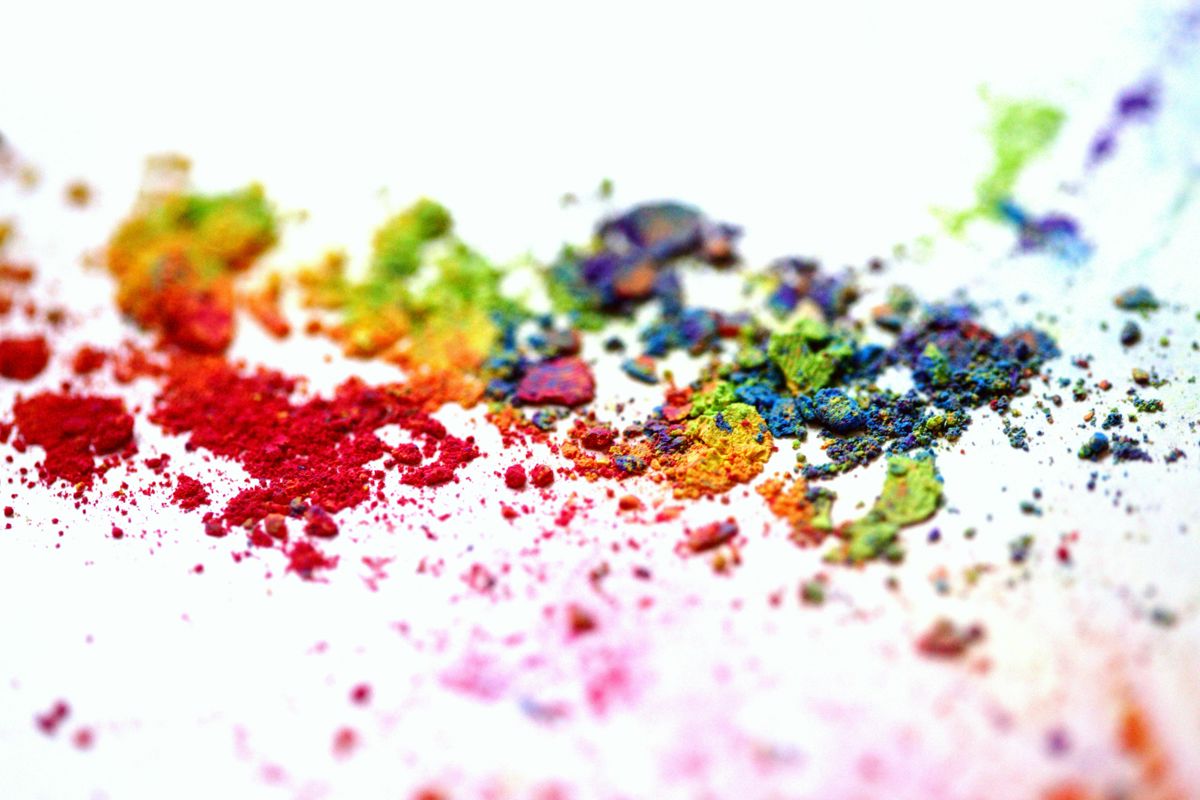
Colour correctors are highly pigmented products -- similar in texture to concealer -- that come in shades you might not expect to see in a makeup bag: green, peach, purple, yellow, pink. They are not designed to match your skin tone. Instead, they sit underneath your foundation and work by neutralising specific skin concerns, whether that is redness, dark circles, uneven pigmentation, or discolouration from scarring.
Think of them as the prep work that makes everything on top look smoother, more even, and more natural. And that is exactly what you want on your wedding day.
Why Colour Correction Matters for Bridal Makeup
On a normal day, you might get away with layering on extra concealer or foundation to cover a concern. But for your wedding, that approach can work against you. Heavy layers of product feel uncomfortable, crease more easily, and tend to look obvious in photographs -- especially in HD and natural daylight.
Colour correctors let me address the issue at its source. A tiny amount of the right shade neutralises the discolouration, which means I need far less concealer and foundation on top. The result is lightweight coverage that looks like beautiful skin rather than layers of makeup. This is also why colour correction pairs so well with my airbrush system, which applies foundation as a fine mist for a naturally flawless, long-lasting finish. When the corrector has already done the heavy lifting underneath, the airbrush layer on top can stay beautifully sheer.
How Colour Theory Makes It Work
The science behind colour correctors is beautifully simple. It all comes down to the colour wheel. Shades that sit opposite each other on the wheel cancel each other out when layered together. So if you have a reddish concern on your skin, a green-toned corrector will neutralise it. A bluish shadow under your eyes? A peach or orange corrector brings warmth back.
Once you understand this principle, the shades start to make perfect sense.
Your Guide to Colour Corrector Shades
Green
Green correctors neutralise redness. I reach for these when a bride has rosacea, blemishes, recent breakouts, or any scarring that has a red or pink tone. A small amount blended precisely onto the area before foundation makes the redness virtually disappear.
Purple and Lilac
Purple tones cancel out yellow. If your complexion looks a bit sallow or dull -- which can happen from tiredness or changes in routine during the wedding planning months -- a lilac corrector can brighten things up. I tend to use lighter lilac shades on fair skin and deeper mauve tones on medium to darker complexions.
Pink and Rose
Pink correctors are wonderful for brightening blue or grey tones in lighter skin. If you notice shadowy areas around your mouth or along the jawline, a touch of pink underneath your base can bring life back. Rose shades also work well for neutralising any greenish discolouration, such as from old bruising.
Peach and Orange
These are probably my most-used correctors. Peach and orange shades counteract blue and purple tones, which makes them perfect for dark under-eye circles. The depth of shade matters here -- a lighter peach for fair skin, a richer orange for medium to deeper skin tones. On a wedding morning, when a bride has not slept brilliantly the night before, these are worth their weight in gold.
Yellow
Yellow correctors brighten purple or dark tones and work particularly well on olive and tanned complexions. They are also useful for evening out areas of hyperpigmentation on warmer skin tones.
White and Neutral
White and neutral correctors are useful as mixers. I sometimes blend them with other correctors to adjust the shade and create a more customised match, or use them as subtle highlighters for a gentle lift in specific areas.
Tips for Using Colour Correctors
If you want to try colour correction at home -- perhaps for an event or a special occasion before your wedding -- here are a few things I would suggest:
* Less is more. A tiny amount goes a long way. You are not trying to paint over the concern; you are just neutralising the undertone. * Apply before your foundation, not after. Correctors work underneath your base, so the foundation sits smoothly on top. * Blend well. Pat and press the product into the skin rather than rubbing or dragging it. You want it to melt into the area. * Match the corrector to the concern, not your skin tone. The corrector does not need to disappear on its own -- your foundation and concealer will do that job. * Build gradually. Start with a thin layer and add a touch more if needed. You can always add, but taking away means starting again.
Why I Always Have a Full Palette
As a bridal makeup artist, no two brides are the same. Skin tones vary, concerns differ, and what works beautifully for one person will be entirely wrong for another. That is why I always carry a full range of colour correctors in my professional kit. Being able to mix and customise means I can tailor the approach precisely to each bride's skin, which is a big part of what makes the difference between good makeup and truly flawless makeup.
This is something I always walk through during your makeup trial. Seeing how colour correction transforms your skin before the wedding day means there are no surprises -- just confidence in knowing exactly how beautiful your base will look.
Colour correction is one of the topics I cover in detail in my book, Make Up Your Face, because I genuinely believe it is one of the most useful techniques anyone can learn -- whether you are doing your own makeup day to day or you want to understand what your makeup artist is doing on your wedding morning.
It All Starts with Beautiful Skin
On your wedding day, everything builds from the base. Get the skin right, and the rest follows naturally. Colour correctors are one of the tools that help me create that naturally radiant, even complexion that my brides love -- makeup that looks like your skin, only better.
If you have specific skin concerns you would like to discuss, or you are ready to see what colour correction can do for you, get in touch to book a trial or consultation. Every bride is different, and I would love to create a look that is perfectly yours.